Complete Guide to Pre-Employment Background Checks in the Philippines
Employment background checks have become increasingly important for companies hiring in the Philippines. From fake diplomas and resume fraud to workplace misconduct and compliance concerns, these threats are pressuring businesses to verify candidate information before onboarding employees.
This is especially important in industries such as Business Process Outsourcing (BPO), banking, fintech, healthcare, and outsourcing, where a bad hire can lead to financial losses, compliance issues, reputational damage, or data security risks. According to Ken Research report, over 62% of companies are expected to strengthen their compliance protocols due to growing regulatory and hiring risks.
In the Philippines, employment background checks must also comply with local regulations, particularly Republic Act No. 10173, also known as the Data Privacy Act of 2012 enforced by the National Privacy Commission. Employers are expected to obtain proper consent and handle candidate information responsibly throughout the screening process.
Depending on the scope of verification, companies may also rely on records or validation processes involving the National Bureau of Investigation (NBI) and the Philippine Statistics Authority (PSA).
Whether hiring local employees or teams located across the country, conducting proper background screening helps organizations reduce hiring risks, strengthen compliance, and build a more trustworthy workforce.
What Is a Pre-Employment Background Check?
A preemployment background check is the process of verifying a candidate’s identity, qualifications, employment history, and overall credibility before they are hired. In the Philippines, employers commonly conduct background screening to reduce hiring risks, prevent fraud, and ensure compliance with company policies and local regulations.
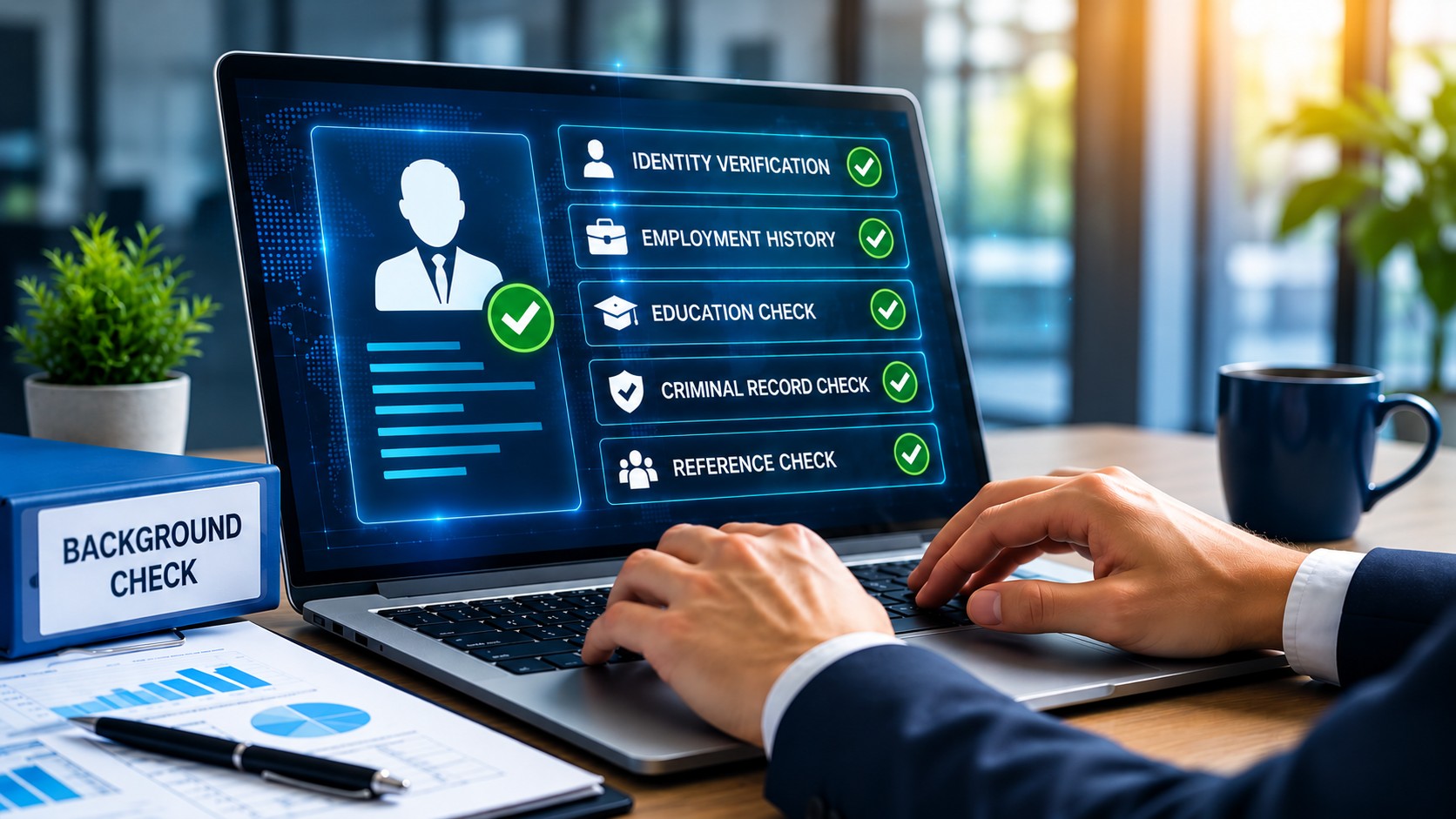
Depending on the role and industry, a background check may include employment verification, education checks, criminal record screening, reference checks, credit checks, and identity verification. These checks are especially common in sectors such as BPO, banking, fintech, healthcare, logistics, and offshore staffing, where employees may have access to sensitive information, financial assets, or customer data.
Why Do Employers Check Backgrounds in the Philippines?
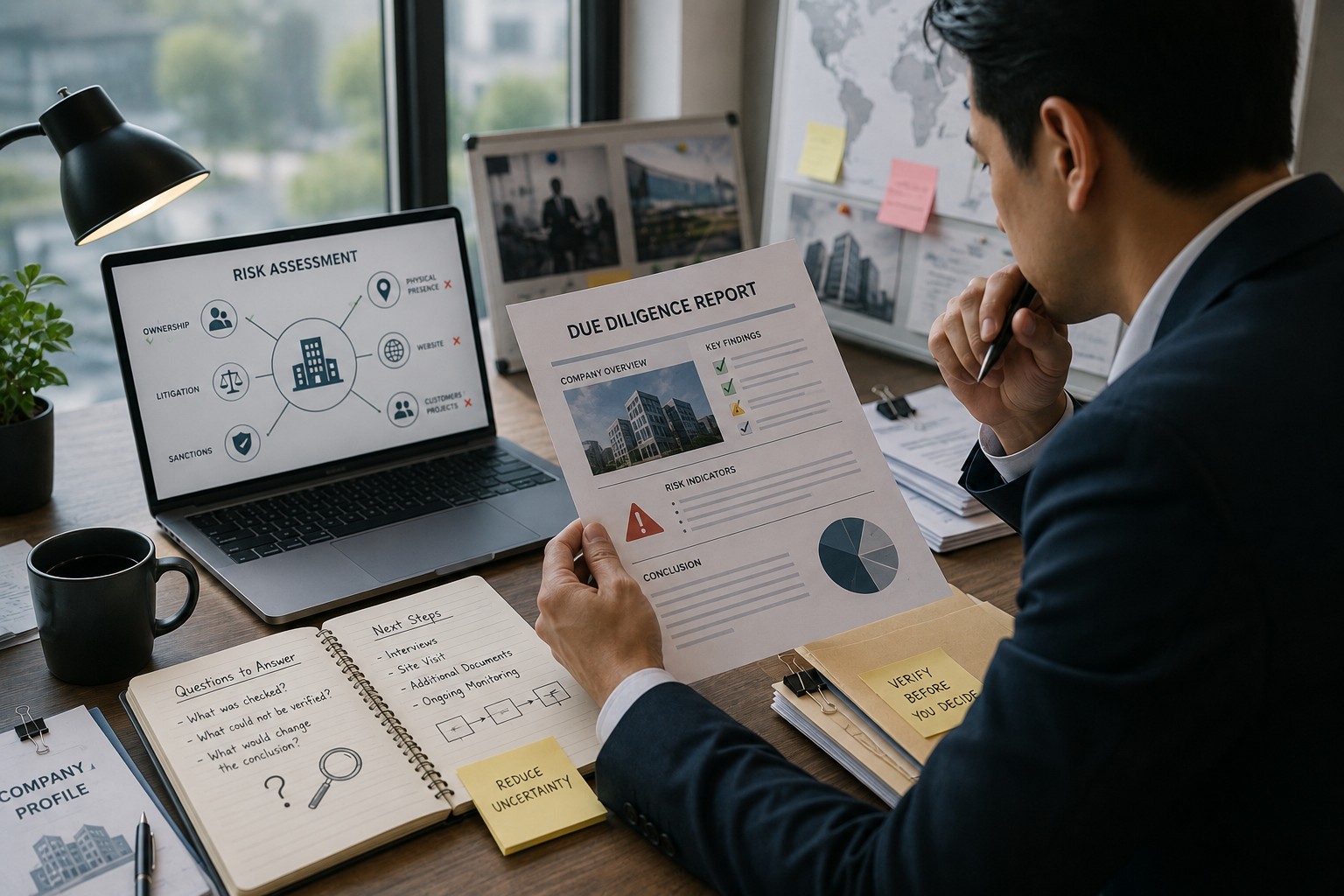
Companies in the Philippines conduct employment background checks to reduce hiring risks, strengthen compliance, and protect business operations. Hiring decisions based only on resumes and interviews can expose organizations to fraud, operational disruption, and reputational damage.
Some of the most common reasons employers conduct background screening include:
Resume fraud
Candidates may exaggerate responsibilities, falsify employment dates, or claim experience they do not actually have.
Fake educational credentials
Employers sometimes discover diplomas or certifications from unrecognized institutions, particularly for specialized or licensed roles. Fake credentials may also falsely use the names of well-known or prestigious universities to appear legitimate.
Moonlighting risks
This has become increasingly common among remote workers and employees in the BPO sector, where some individuals secretly hold multiple full-time jobs simultaneously.
Financial fraud and insider threats
Deeper screening may be necessary to mitigate risks such as unauthorized transactions, data theft, and internal fraud, particularly where roles involve access to sensitive financial or business information.
Workplace misconduct concerns
Reference checks may reveal behavioral issues, harassment complaints, or integrity concerns that were not disclosed during recruitment.
Compliance and client requirements
Many multinational companies and outsourcing clients now require formal pre-employment screening as part of their vendor compliance standards.
Protection of sensitive information
Access to sensitive information, such as financial records, healthcare data, or confidential client information, can increase the risk of data misuse or unauthorized disclosure, making stricter employee screening an important safeguard.
Protecting against payroll and employment fraud
Hiring-related risks can extend beyond falsified credentials or employment history. Organizations with large workforces, multiple locations, or complex staffing arrangements may also face risks associated with inaccurate employee records or fraudulent employment arrangements.
These risks can make appropriate identity and employment verification an important part of broader workforce controls, particularly where payroll and personnel records involve significant financial exposure.
For employers hiring in major business hubs such as Manila, Cebu City, and Davao City, employment background checks are increasingly viewed as part of broader risk management and corporate governance practices.
Types of Employment Background Checks in the Philippines
Employment background checks in the Philippines can vary depending on the role, industry, and level of risk involved. Most companies combine several screening methods to verify candidate information and identify potential concerns before hiring.
Identity Verification
Identity verification confirms whether a candidate is using legitimate personal information. By verifying these details, employers can reduce risks related to identity fraud, impersonation, and falsified documents.
Employment Verification
Employment verification confirms whether a candidate’s work history is accurate. Common discrepancies include inflated job titles, altered employment periods, and undisclosed terminations.
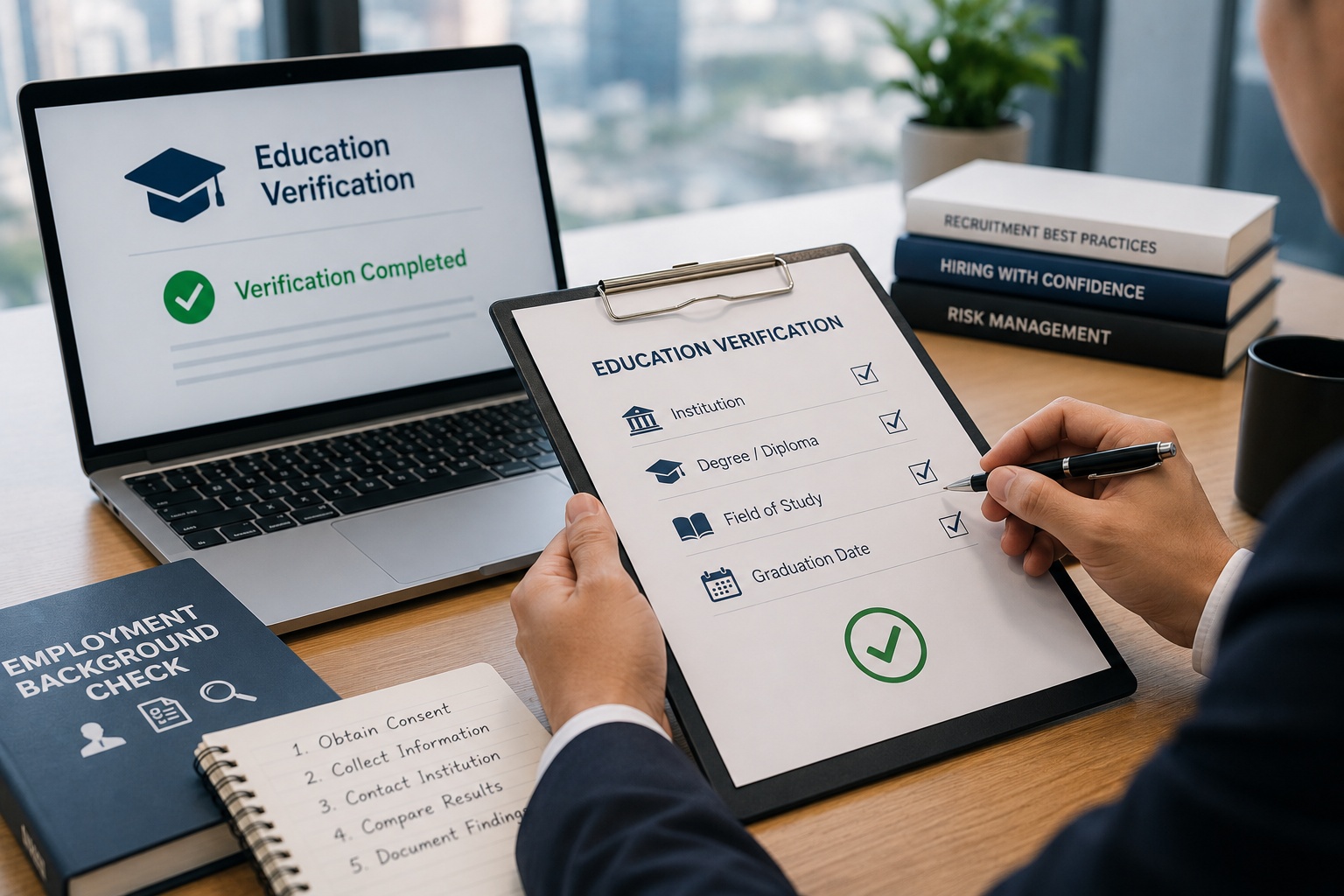
Education Verification
Education verification checks whether a candidate has genuinely completed the academic qualifications listed on their resume. These checks help employers identify fake diplomas and falsified academic credentials.
Criminal Record Check
Criminal background checks help employers identify potential legal or integrity risks. Employers must conduct these checks in compliance with the Data Privacy Act of 2012 and obtain proper candidate consent before processing personal data. It is also important to understand that public records in the Philippines may not always be centralized or fully digitized, which can affect record availability.
Reference Checks
Reference checks provide insight into a candidate’s past behavior and work performance. Employers often use reference checks to identify risks that interviews or document verification may not reveal.
Credit Checks
Credit checks are commonly used for finance-sensitive roles. Poor financial history does not automatically indicate misconduct, but employers may review it when assessing fraud or financial risk exposure.
The specific combination of checks will depend on the position and the risks associated with it.
Philippine Laws Governing Pre-Hire Background Checks
Employment background checks are legal in the Philippines, but employers must follow data privacy and labor regulations when collecting and processing candidate information.
Companies that conduct background screening should obtain candidate consent, process personal information lawfully, and ensure that each screening activity is relevant to the position.
Data Privacy Act of 2012
Republic Act No. 10173, or the Data Privacy Act of 2012, primarily governs employment background checks in the Philippines.
The law regulates how organizations collect, store, process, and share personal information. It is enforced by the National Privacy Commission.
The law generally requires employers to:
- Obtain proper candidate consent before conducting background checks
- Clearly explain how candidate information will be used
- Only collect data relevant to the hiring process
- Protect personal information from unauthorized access or disclosure
- Retain records only for a reasonable and lawful period
The law also follows principles such as:
- Lawful processing. Personal data must be processed for legitimate and lawful purposes.
- Proportionality. Employers should only collect information necessary for the role.
- Transparency. Employers should inform candidates about the scope and purpose of the screening process.
The Implementing Rules and Regulations of the Data Privacy Act require consent to be “freely given, specific, informed, and evidenced by written, electronic, or recorded means.”
Labor Law Considerations
In addition, employers must ensure that background checks do not result in discriminatory or unfair hiring practices. Screening processes should avoid decisions based on:
- Race or ethnicity
- Religion
- Gender
- Disability
- Political affiliation
- Other protected characteristics
Employers should tailor background checks to the requirements and risks of the position.
For example, credit checks may be reasonable for finance-related roles but may not be relevant for positions with no financial responsibilities. Companies should also apply screening procedures consistently across candidates to support fair hiring and equal opportunity practices.
Challenges of Conducting Background Checks in the Philippines
Background screening in the Philippines can be challenging due to inconsistent record systems and manual verification processes.
Common challenges include:
- Fragmented records across institutions
- Manual verification procedures
- Limited provincial data access
- Data privacy compliance requirements
- Inconsistent and sporadic employer responses
These challenges serve as reasons many companies work with professional screening providers that have local verification networks and regional experience.
Why Companies Outsource Employment Background Checks
Many organizations outsource employment screening to improve efficiency, strengthen compliance, and reduce hiring risks.
Professional screening providers can often provide:
- Faster turnaround times
- Better compliance support
- Regional verification capability
- More consistent documentation
- Fraud detection expertise
- Multilingual support
Outsourcing is especially common among multinational companies, BPO providers, financial institutions, and businesses hiring remote employees across Southeast Asia.
How to Choose a Background Screening Provider in the Philippines
When selecting a background screening provider, employers should consider:
| Criteria | What to look for |
|---|---|
| Local regulatory compliance | Familiar with the Data Privacy Act and NPC requirements |
| Verification network | Direct channels to Philippine schools, employers, and government agencies |
| Turnaround time | Clear timelines for each check type |
| International coverage | Ability to verify candidates with overseas work or study history |
| Audit trail and reporting | Structured documentation of findings for compliance records |
| Accreditations | Recognized certifications in compliance, information security, or professional screening standards |
Frequently Asked Questions
Does Philippine law require all employers to conduct background checks?
No. Philippine labor law does not require all employers to conduct pre-employment background checks. However, certain regulated industries may require them, and multinational clients may also require background screening as part of their vendor compliance standards. When employers conduct background checks, they must comply with the Data Privacy Act of 2012.
How long does a background check take in the Philippines?
Basic checks take around 3–5 business days. International or complex checks may take longer.
How much does a background check cost in the Philippines?
Costs vary depending on the scope of the check, the provider, and the number of candidates.
How do employers verify criminal records and identities in the Philippines?
Employers verify a candidate’s legal standing and identity by cross-referencing public records through government entities like the National Bureau of Investigation (NBI) and the Philippine Statistics Authority (PSA). Because public records are not fully centralized or digitized across all provinces, many organizations partner with professional third-party screening networks to conduct accurate local verification.