Vendor due diligence: how to select reliable vendors

Performing vendor due diligence is a prudent measure to mitigate potential risks that may emerge in future business partnerships. This process encompasses not only the examination of documents but also a comprehensive analysis of prospective vendors.
By adopting an appropriate approach, organizations can select vendors who are both capable and reliable. Nevertheless, there are several pitfalls that companies frequently overlook.
The Importance of Vendor Due Diligence
Conducting vendor due diligence is very important because it:
- Minimizes risk. By performing a thorough evaluation, companies can identify potential issues before entering into a partnership.
- Builds trust. This process helps establish trust between the company and the vendor, creating a stronger working relationship.
- Protects reputation. Avoiding partnerships with problematic vendors can protect the company’s reputation from negative impacts.
- Ensures regulatory compliance. In many industries, conducting due diligence is a legal or regulatory requirement.
Mistakes in Conducting Vendor Due Diligence
With the right approach, companies can choose partners who are not only competent but also trustworthy. However, there are several pitfalls that companies often overlook. Here are three common mistakes to avoid in the vendor due diligence process, along with how to optimize this process to achieve the best results.
1. Not Seeking Complete Information
One of the biggest mistakes companies often make is relying on incomplete information. Many companies only ask employees to complete internal documents without conducting more in-depth research. This can lead to companies obtaining only general information that does not reflect the actual condition of the potential vendor.
Complete and accurate information is crucial for assessing the credibility and capability of potential vendors. For example, companies should analyze historical data of potential vendors, including performance records, industry reputation, and relationships with previous business partners. By conducting a more thorough examination, companies can identify signs of fraud or issues that may not be visible at first glance.
How to Obtain Complete Information
- Create a specific questionnaire. Design a questionnaire that includes in-depth questions about the experiences, performance, and challenges faced by potential vendors.
- Conduct interviews. In addition to collecting documents, conduct interviews with relevant parties in the potential vendor’s company to gain a broader perspective.
- Analyze data. Review data related to contract terminations or other issues that the potential vendor may have faced.
2. Not Verifying Information
After gathering information, the next step is to verify the accuracy of that data. Many companies neglect verification, which can increase the risk of problems arising later. Unverified information can be misleading and potentially harmful to the company.
Importance of Verification in Due Diligence
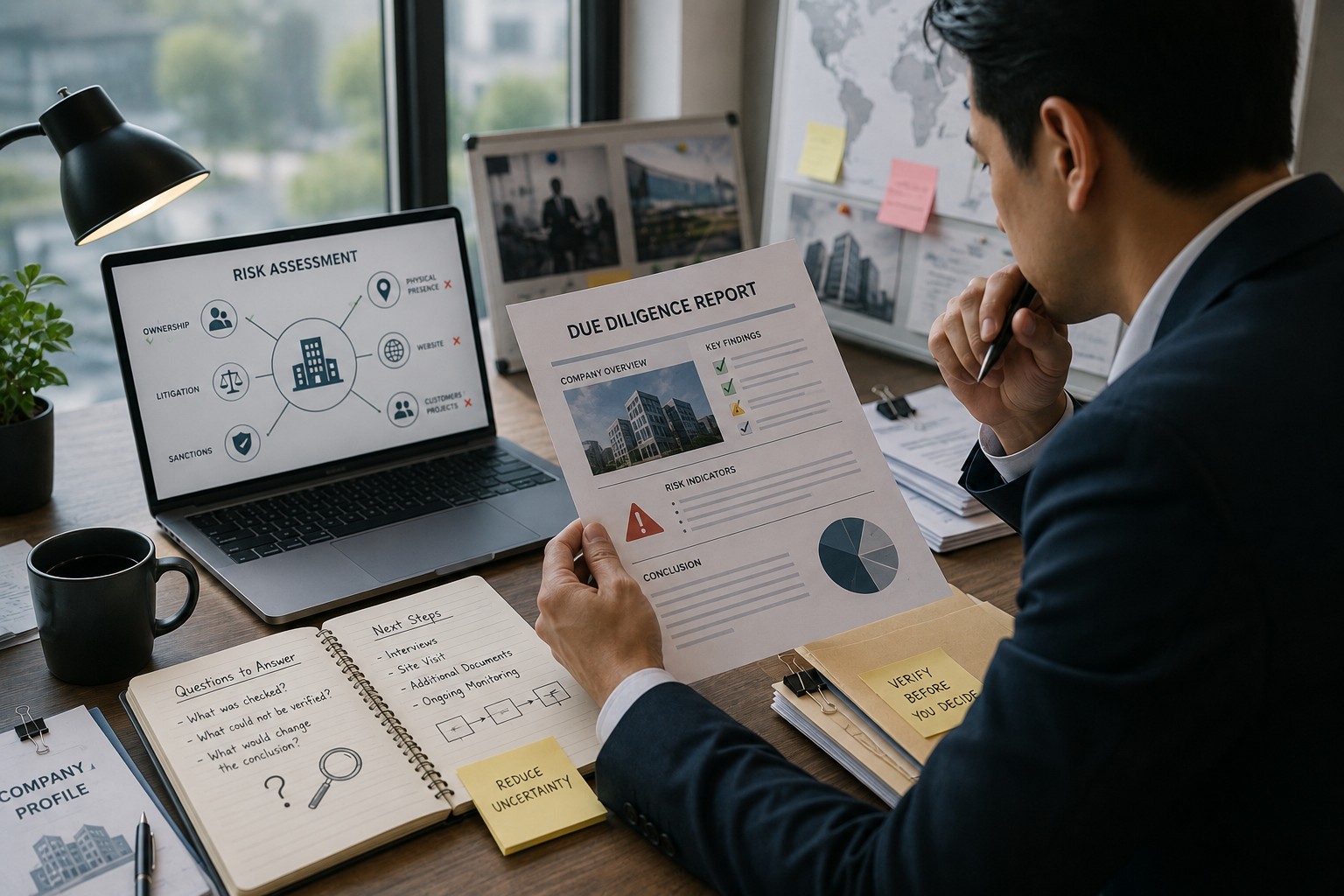
Verifying information is a crucial step in the vendor due diligence process. Without verification, companies risk entering into partnerships with vendors who have legal issues, poor reputations, or even bankruptcies. Therefore, it is essential to conduct field checks and examine specific information, such as litigation and bankruptcy records.
Effective Verification Methods
- Field visit. Conduct on-site visits to the potential vendor’s location to assess their conditions and operations.
- Public records check. Review public records related to litigation, bankruptcy, and other legal issues that the potential vendor may have faced.
- References from previous clients. Request references from previous clients to gain insight into their experiences working with the vendor.
When conducting vendor due diligence, companies may discover signs of fraud or inconsistencies in the information provided. It is crucial for companies to follow up on any findings, no matter how small.
Why Immediate Action is Important
Every detail, no matter how small, must be followed up. Ignoring signs of fraud can lead to significant financial and reputational losses for the company. If necessary, companies should consider hiring an independent investigator to look into the findings.
Action Steps to Take
- In-depth investigation. If inconsistencies are found, conduct further investigation to understand the root of the problem.
- Discuss with the team. Involve the internal team to discuss the findings and formulate the next steps.
Overcoming Challenges in Vendor Due Diligence
Many companies face challenges in conducting thorough vendor due diligence. Limited resources, lack of knowledge, and difficult access to information can hinder this process. Therefore, it is highly recommended to utilize the services of third parties that possess expertise in vendor due diligence.
Vendor Due Diligence Solutions from Integrity Indonesia
Integrity Indonesia offers the Know Your Vendor service, equipped with a Vendor Management System. This service is designed to provide comprehensive vendor due diligence solutions that can be tailored to meet your company’s needs. The benefits of using this service include:
- Effective due diligence. Through the Know Your Vendor™ platform, we assist in monitoring the entire due diligence process for potential vendors or other business partners, from questionnaire submission to report analysis.
- Access to accurate information: Gain access to in-depth data and analysis regarding potential vendors.
- Risk reduction. Minimize risks associated with vendor partnerships through a thorough due diligence process.
Conducting vendor due diligence is a crucial step in building successful business relationships. Engaging the services of experienced third parties in vendor due diligence can help companies overcome existing challenges. With the right approach, your company can establish strong partnerships and reduce potential risks in the future. Contact us to learn more about how we can assist you with due diligence and other compliance services.