Fake academic degrees: lesson learned from Indonesia’s case
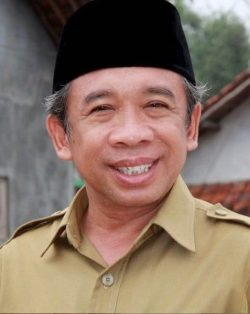
The issue of fake academic degrees is not new in Indonesia, yet it continues to pose significant challenges for organizations and institutions across various sectors. Recently, public attention was drawn sharply to this problem through a high-profile case involving Nurul Qomar, a former member of the House of Representatives who also served as rector at Mahudi Setiabudhi University (UMUS). This case highlights how fake academic certificates can undermine institutional credibility and why rigorous background checks are essential before hiring candidates.
The Nurul Qomar case: a wake-up call
According to reports from Tribunnews dated June 26th, 2024, Nurul Qomar was accused by the owner of Mahudi Setiabudhi Foundation of forging his master’s and doctoral diplomas. These forged documents were allegedly used to secure his position as rector at UMUS. The controversy began back in 2017 when UMUS requested Qomar to submit his undergraduate and doctoral diplomas as part of routine verification procedures for university officials. Instead of official diplomas, he provided only graduation letters known locally as Surat Keterangan Lulus (SKL).
The situation escalated over two years because Qomar reportedly did not cooperate fully with authorities investigating the matter. When UMUS reached out to a Jakarta-based university listed as issuing these SKLs, they received firm denial that such documents had been issued by them. Moreover, that university confirmed that Qomar had not graduated at all when those SKLs were supposedly granted.
This revelation raised serious questions about how such forgery went unnoticed until after he became rector—a position requiring high trustworthiness and integrity.
Why are fake academic degrees still prevalent?
Cases like this expose systemic weaknesses within organizational hiring processes:
- Lack of verification. Many organizations fail to conduct thorough verification or background checks on candidates’ educational credentials before making hiring decisions.
- Overreliance on reputation. In some instances like Nurul Qomar’s case, personal reputation or political influence may overshadow formal vetting procedures.
- Absence of proper procedures. According to testimony from the suspect himself (reported by Tribunnews on June 2nd), he was appointed without undergoing fit-and-proper tests or senate hearings typically required for such senior positions.
These gaps create opportunities for individuals holding fake academic degrees or certificates—whether forged diplomas or unaccredited qualifications—to infiltrate important roles within institutions.
Consequences for organizations hiring candidates with fake academic degrees
Hiring individuals based on fraudulent credentials can have severe repercussions:
- Damage to institutional reputation. Universities like UMUS face public scrutiny questioning their governance standards once cases emerge involving fake degrees among their leadership.
- Legal risks and ongoing litigation. As seen in this ongoing legal process against Nurul Qomar, organizations may become embroiled in lengthy court battles affecting operational stability.
- Loss of stakeholder trust. Students graduating under questionable leadership might doubt their own diploma validity; donors and partners may withdraw support fearing association risks.
- Operational inefficiency and risk exposure. Unqualified personnel occupying critical roles could lead directly to poor decision-making impacting overall organizational performance.
How can organizations prevent hiring based on fake academic degrees?
To mitigate these risks effectively:
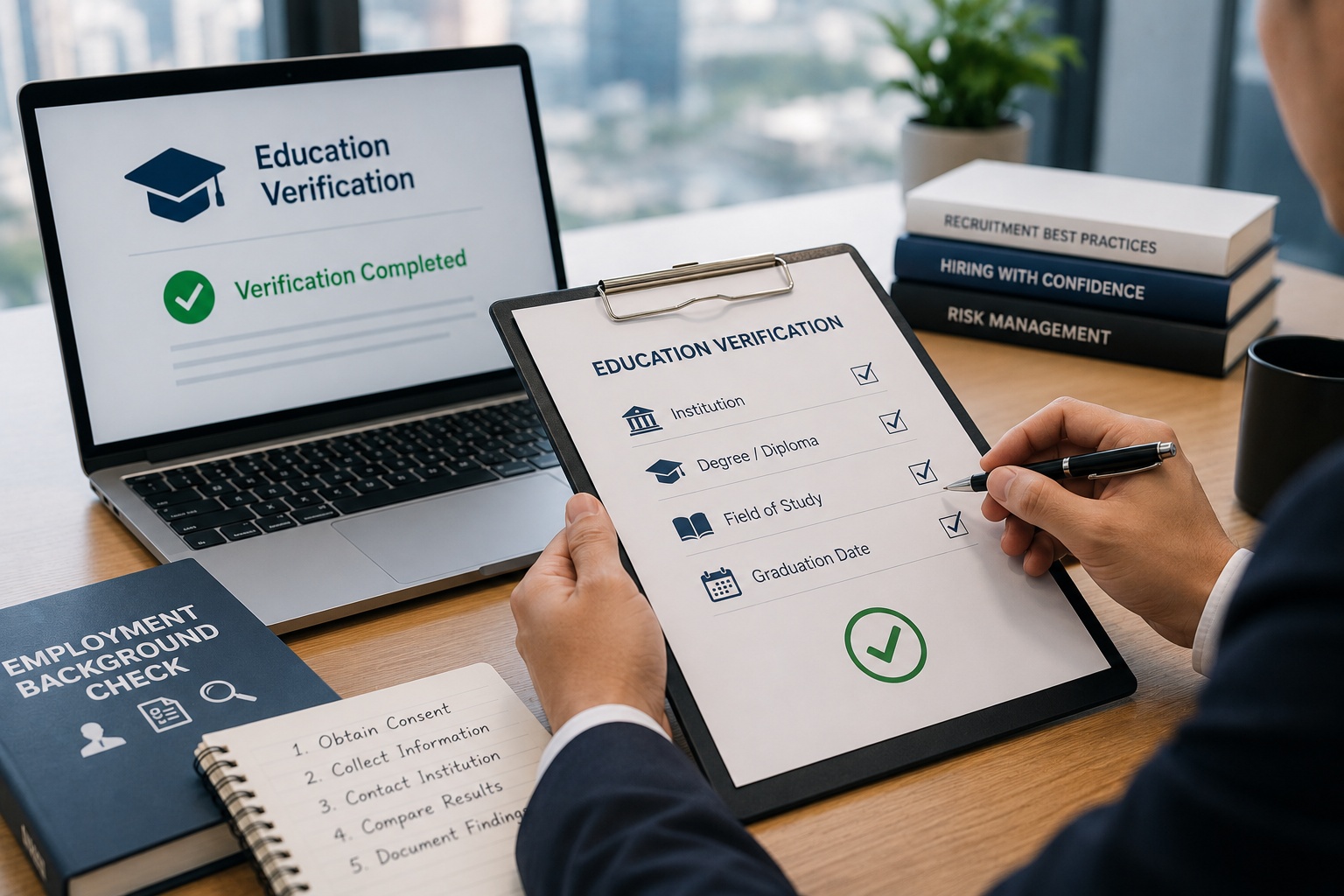
Conduct Comprehensive Background Checks
Background checks should be an integral part of recruitment processes—especially when filling senior management positions where integrity is paramount.
Key elements include:
- Verifying authenticity directly with issuing universities
- Checking accreditation status
- Confirming graduation dates
- Cross-referencing candidate-provided documents against official records
- Investigating any discrepancies thoroughly before finalizing appointments
Challenges Faced By Organizations In Conducting Background Checks Independently
The important lesson learned from the case is hiring candidates with fake academic certificates can be very costly for organizations. Therefore, to avoid the matter, background checks should be performed before organizations make decision in hiring selected candidates. However, many organizations which opt to conduct background checks on their own often find it time and energy consuming while the result can be biased due to resources shortage. At this point, to get background checks done properly and obtain objective results, a company needs to delegate the task to an experienced and trustworthy third party.
Integrity Asia has been trusted by its clients as a mitigation solution provider, including background check services. Should your companies need more detailed information about how background checks work for your companies, do not hesitate to contact us.
Read More:
Lesson from A Company That Missed Out A Background Check
Employee Background Check: Do not Believe Resume Without Reference Check
Foto: Instagram/@haji.nurulqomar