
Falsification of academic documents by applicants
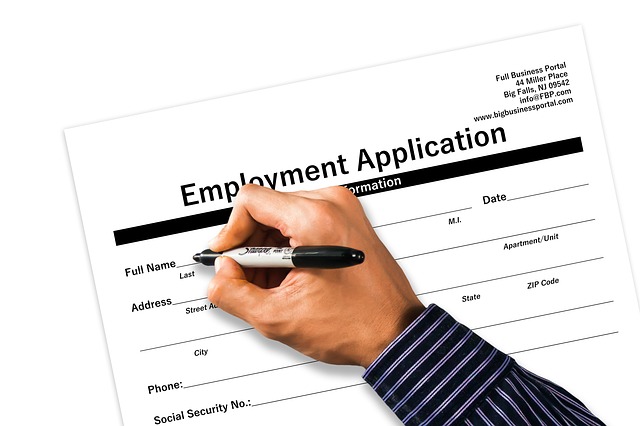
Academic misconduct is a serious concern that can have far-reaching implications for both individuals and institutions. According to Berkeley City College, academic misconduct encompasses any type of cheating that occurs in relation to a formal academic exercise. This type of misconduct is not limited to students; it has also been perpetrated by applicants seeking to enhance their chances of being accepted by hiring companies or prestigious institutions. One of the most prevalent forms of academic misconduct is academic falsification.
What is Academic Falsification?
The University of Washington defines academic falsification as the act of misrepresenting one’s academic credentials. This can include, but is not limited to, the following:
1. False Representation of Credentials: This occurs when an individual claims to possess degrees, certificates, grades, or credits that they have never earned.
2. Misrepresentation of Attendance: This involves falsely stating that one attended a university or received academic credits or degrees from that institution.
3. Altered Documents: This includes providing altered or falsified transcripts, diplomas, or other academic credentials.
Unfortunately, the act of falsification extends beyond simply creating fake diplomas. Individuals may also manipulate details such as letter numbers, degrees, grades, and graduation dates to make their claims appear legitimate.
Legal Implications of Academic Falsification
The act of using a fake diploma to apply for a job is categorized as letter falsification, which is subject to criminal provisions under Article 263 of the Criminal Code (“KUHP”). This article states:
“Anyone who makes a fake letter or falsifies a letter that can give rise to rights, commitments, or debt relief, or which is intended as evidence of something with the intention to use or order others to use the letter as if the contents are true and not forged, is punishable with a maximum imprisonment of six years.”
Additionally, individuals who intentionally use fake or forged documents as if they are genuine can face the same criminal charges, especially if their actions result in harm to others.
Who Engages in Academic Falsification?
While academic falsification is often associated with individuals who have already graduated, it is not uncommon to find this type of misconduct among current students. Many students may feel pressured to meet the qualifications set by recruiters, who often require candidates to have completed their degrees. In their desperation to participate in the recruitment process, some students resort to falsifying their academic documents, even if they have not yet been issued by their university.
This trend raises significant concerns for employers and educational institutions alike. Hiring candidates who have falsified their academic credentials can lead to a range of issues, including a lack of trust, diminished workplace integrity, and potential legal ramifications.
The Importance of Background Screening
Given the prevalence of academic misconduct, it is crucial for companies and institutions to implement thorough background screening processes. Verifying whether a potential candidate has genuinely received their degree from an accredited university is essential in preventing the hiring of individuals who may engage in fraudulent activities. This not only protects the integrity of the organization but also ensures that the workplace is filled with qualified and trustworthy individuals.
Background screening, particularly educational background screening, serves as a vital tool in the recruitment process. By conducting these checks, employers can mitigate the risks associated with hiring candidates who may have falsified their academic credentials. This proactive approach can save companies from potential financial losses, reputational damage, and legal complications.
How Integrity Indonesia Can Help
Integrity Indonesia has over seventeen years of experience in providing compliance services, including Employment Background Screening Services. Our team of experts is dedicated to verifying the claims made by candidates during the recruitment process. We assess the validity of the information provided in resumes and other supporting documents through comprehensive background checks.
Our screening process is conducted using Prisma, our proprietary screening platform, which can be seamlessly integrated with our clients’ HR information systems. This ensures that the screening process is efficient, accurate, and tailored to meet the specific needs of each organization.
By choosing Integrity Indonesia for your employment background screening needs, you can rest assured that you are making informed hiring decisions. Our commitment to integrity and accuracy helps organizations build a workforce that is not only qualified but also trustworthy. To find out more about our employment background screening service, contact us today!
Also Read:
How GDPR is Applied to Employment Background Screening Service
ARANEA: How Technology Enhances The Background Screening and Due Diligence
Written by: Bilal, Hana, Sara, and Wulan
Image by Gerd Altmann from Pixabay