Procurement fraud: 5 actions to mitigate

Indonesia Corruption Watch (ICW) revealed that procurement fraud during 2017 had cost Indonesia Rp 1.02 trillion. Procurement fraud refers to any violation of the procurement process which can be happened in public or private organizations.
Fraud in procurement cycle is too common to happen and is not easy to detect, prove or prosecute as it involves many parties, primarily internal ones and can happen in any stage of the procurement life cycle. It is one of the most complex kinds of frauds to combat. According to the Indonesia Procurement Watch, 70% of corruption cases in Indonesia are rooted in goods and services acquisition.
Understanding Procurement Fraud
Fraud in the procurement cycle is not only common but also notoriously difficult to detect, prove, or prosecute. The Indonesia Procurement Watch reports that approximately 70% of corruption cases in the country are rooted in the acquisition of goods and services. This highlights the critical need for organizations to take proactive measures to combat procurement fraud.
Procurement fraud can manifest in various forms, including:
- Kickbacks (bribes): Payments made to employees or decision-makers to influence their choices in favor of a particular vendor.
- Bid rigging: Collusion among vendors to manipulate the bidding process, ensuring that a specific vendor wins the contract.
- Fraudulent invoices: Submission of invoices for goods or services that were never delivered or were inflated in price.
- Fake orders: Creation of fictitious purchase orders to siphon off funds without delivering any actual goods or services.
Given the complexity and prevalence of procurement fraud, it is essential for organizations to implement effective preventive measures.
Mitigating the risks of procurement fraud
1. Build and Establish an Ethical Culture
Creating a sound ethical corporate culture is fundamental in minimizing the propensity for fraudulent actions. When employees understand the importance of integrity and ethical behavior, they are less likely to rationalize dishonest actions. Organizations should promote a culture of transparency and accountability, where ethical behavior is recognized and rewarded.
Training programs that emphasize ethical decision-making and the consequences of fraud can help instill these values in employees. Additionally, leadership should model ethical behavior, as employees are more likely to follow suit when they see their superiors acting with integrity. Establishing a clear code of conduct that outlines acceptable behaviors and the repercussions for violations can further reinforce an ethical culture.
2. Hire the Right People
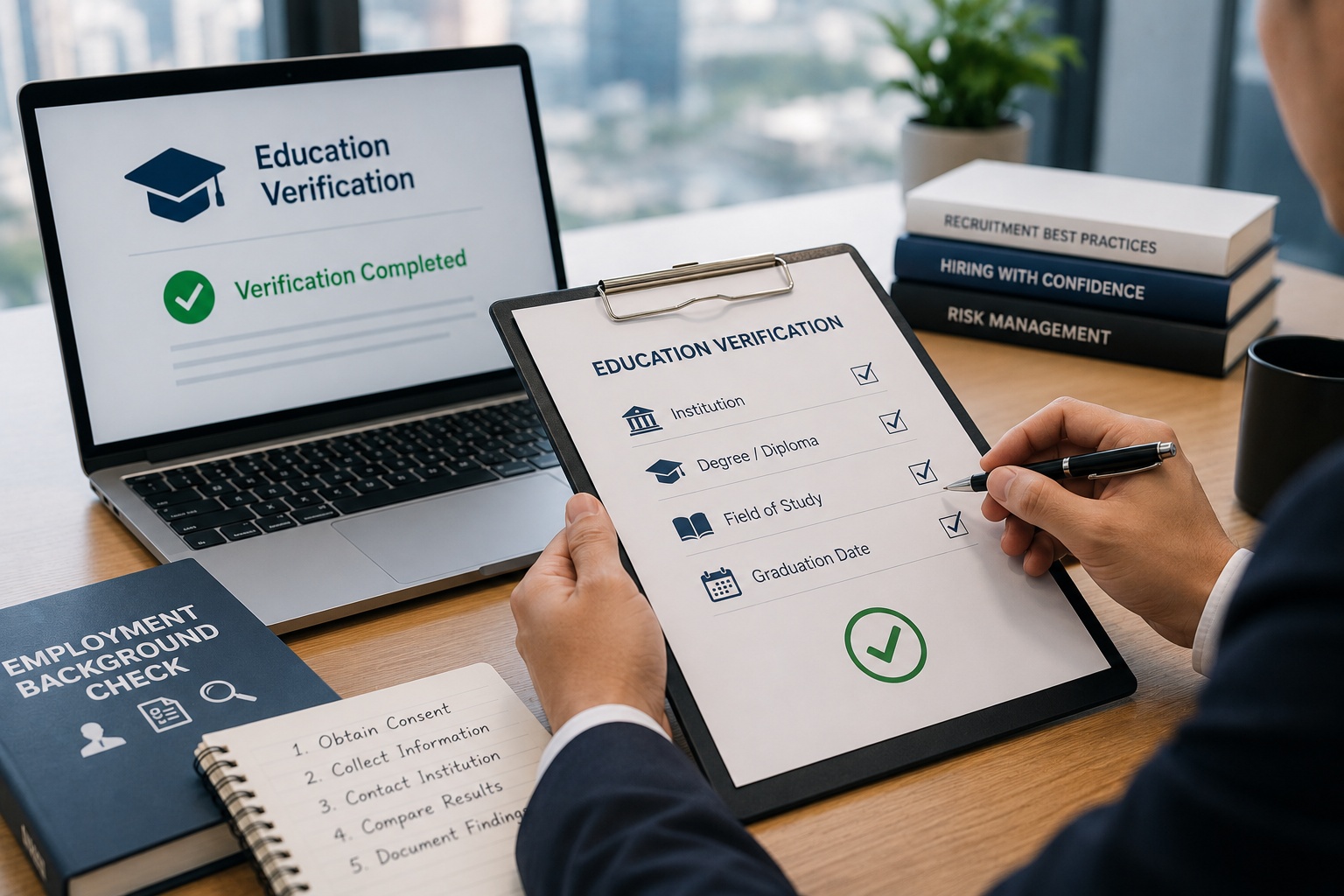
One of the most effective ways to prevent procurement fraud is to ensure that the right individuals are hired. Many organizations have faced significant financial losses and reputational damage due to fraudulent actions committed by employees. To mitigate this risk, companies should conduct thorough background screenings during the hiring process.
This includes checking references, verifying employment history, and conducting criminal background checks. Additionally, organizations should assess candidates’ ethical standards and integrity during interviews. By hiring individuals who align with the company’s values and demonstrate a commitment to ethical behavior, organizations can reduce the likelihood of fraud occurring within their ranks.
3. Develop, Establish, and Review Internal Controls
Implementing robust internal controls is crucial for preventing procurement fraud. Companies that have effective anti-fraud controls in place experience fewer losses compared to those that do not. Internal controls can include segregation of duties, where different individuals are responsible for various stages of the procurement process, reducing the opportunity for collusion.
Regularly reviewing and updating these controls is equally important. As organizations evolve, so do the risks associated with procurement. Conducting periodic audits and assessments of internal controls can help identify vulnerabilities and areas for improvement. Additionally, organizations should ensure that employees are trained on these controls and understand their importance in preventing fraud.
4. Know Your Vendor
Conducting due diligence on prospective vendors is a logical and necessary step in minimizing potential risks associated with procurement. Organizations should thoroughly vet vendors before entering into contracts, ensuring they have a solid reputation and a history of ethical business practices.
This due diligence process can include checking references, reviewing financial statements, and assessing the vendor’s compliance with relevant regulations. Know Your Vendor™ is our innovative solution that helps clients mitigate supply chain risks through comprehensive third-party due diligence. By leveraging advanced technology, you can easily import vendor data, assign tailored questionnaires, and monitor progress in real time. Access detailed reports and scoring with just a click, ensuring you have the insights needed to make informed vendor decisions.
By taking the time to understand the vendors they work with, organizations can make informed decisions that reduce the risk of fraud. A well-executed due diligence process not only protects the organization but also fosters a more trustworthy supply chain. For more information on due diligence, including Know Your Vendor platform, contact us here or info@integrity-asia.com
5. Monitor the Procurement Process
Regular monitoring of the procurement process is essential to ensure compliance with standard operational procedures. Organizations should implement systems for tracking purchases, invoices, and vendor performance. This can include using procurement software that provides visibility into the procurement cycle and allows for real-time monitoring.
Conducting regular audits of procurement activities can help identify any irregularities or discrepancies that may indicate fraudulent behavior. Additionally, organizations should encourage employees to report any suspicious activities or concerns they may have regarding procurement practices. Establishing a whistleblower policy can provide employees with a safe avenue to report potential fraud without fear of retaliation.
While procurement fraud is a complex issue that cannot be entirely eliminated, organizations can take proactive steps to mitigate its risks. By building an ethical culture, hiring the right people, establishing robust internal controls, conducting thorough vendor due diligence, and monitoring the procurement process, companies can significantly reduce their vulnerability to fraud.